Materializing Solutions for Obsolete Parts

Specializing in computer aided design (CAD), reverse engineering and 3D printing for classic cars and vintage vehicles.

Start Your Project

From Scan to Solution

Precision scanning and detailed 3D modeling transforms broken or obsolete parts into reliable solutions. Follow along as reverse-engineering, improvement, and manufacturing create custom components that stand the test of time.

Project Assessment

Your project begins with the arrival of your damaged or obsolete part. The component is carefully examined to understand its function in the system and determine if reverse engineering is feasible. This initial assessment ensures the challenges are fully understood and sets expectations for a successful outcome.
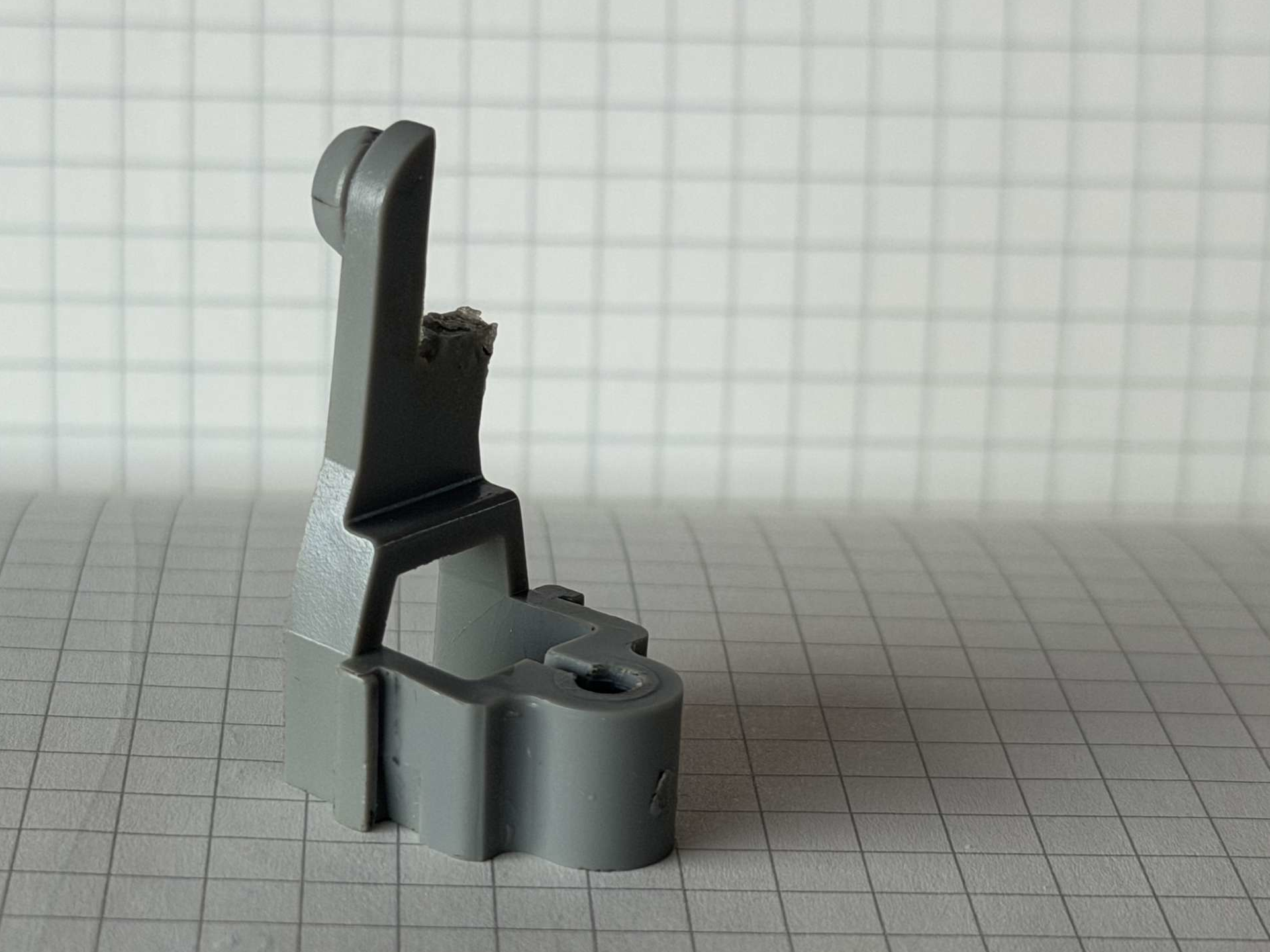
Example of a damaged automotive part requiring restoration

Digital Capture

State of the art 3D scanning equipment creates a detailed point cloud of your part. This digital representation captures every curve, feature, and dimension with high precision, forming the foundation for accurate modeling. The data serves as the digital blueprint for the entire reverse engineering process.
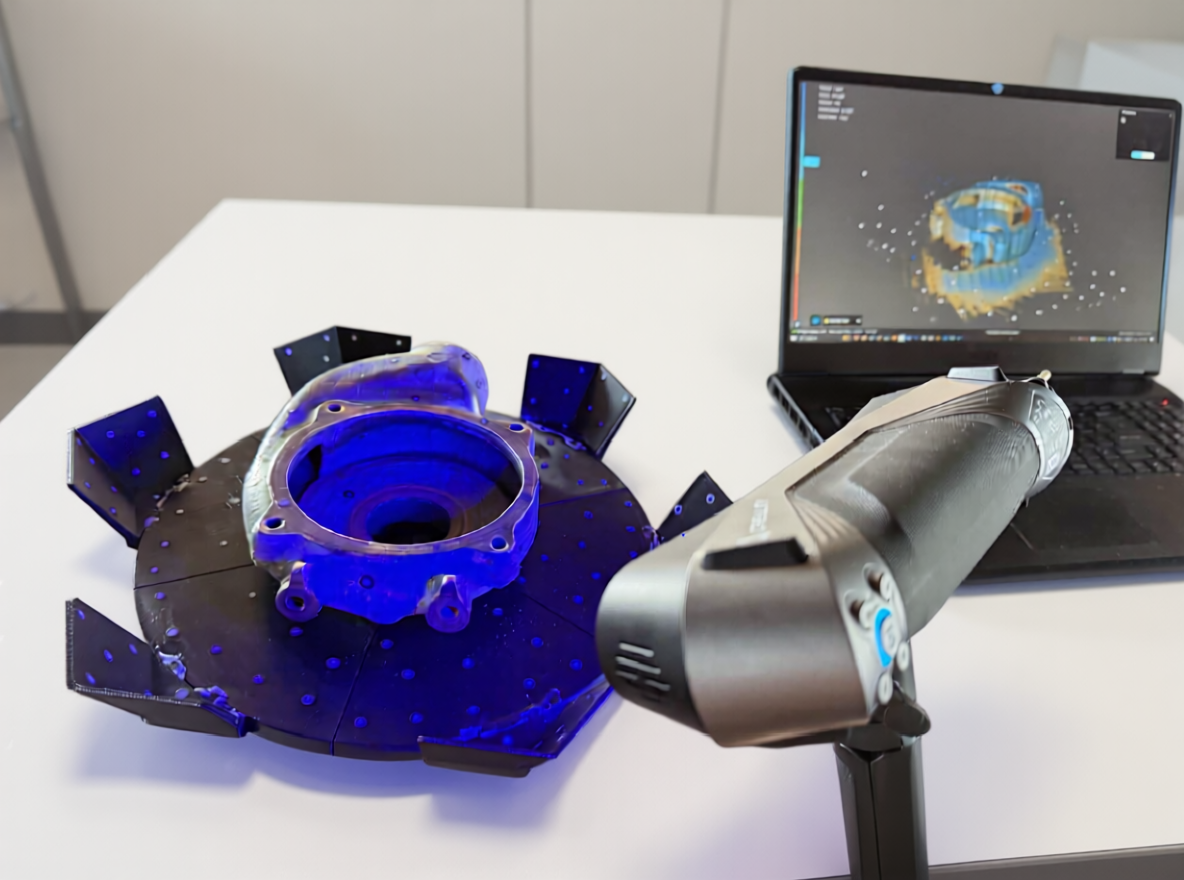
Example of scanning a part, in this instance a brass pool pump is being scanned to make a gasket for it.

Precision Modeling

The scanned data is imported into CAD software where a detailed 3D model is built. Every feature, hole, and surface is recreated accurately, ensuring the virtual part matches the physical reality. This step provides a manipulable digital twin for optimization and manufacturing.
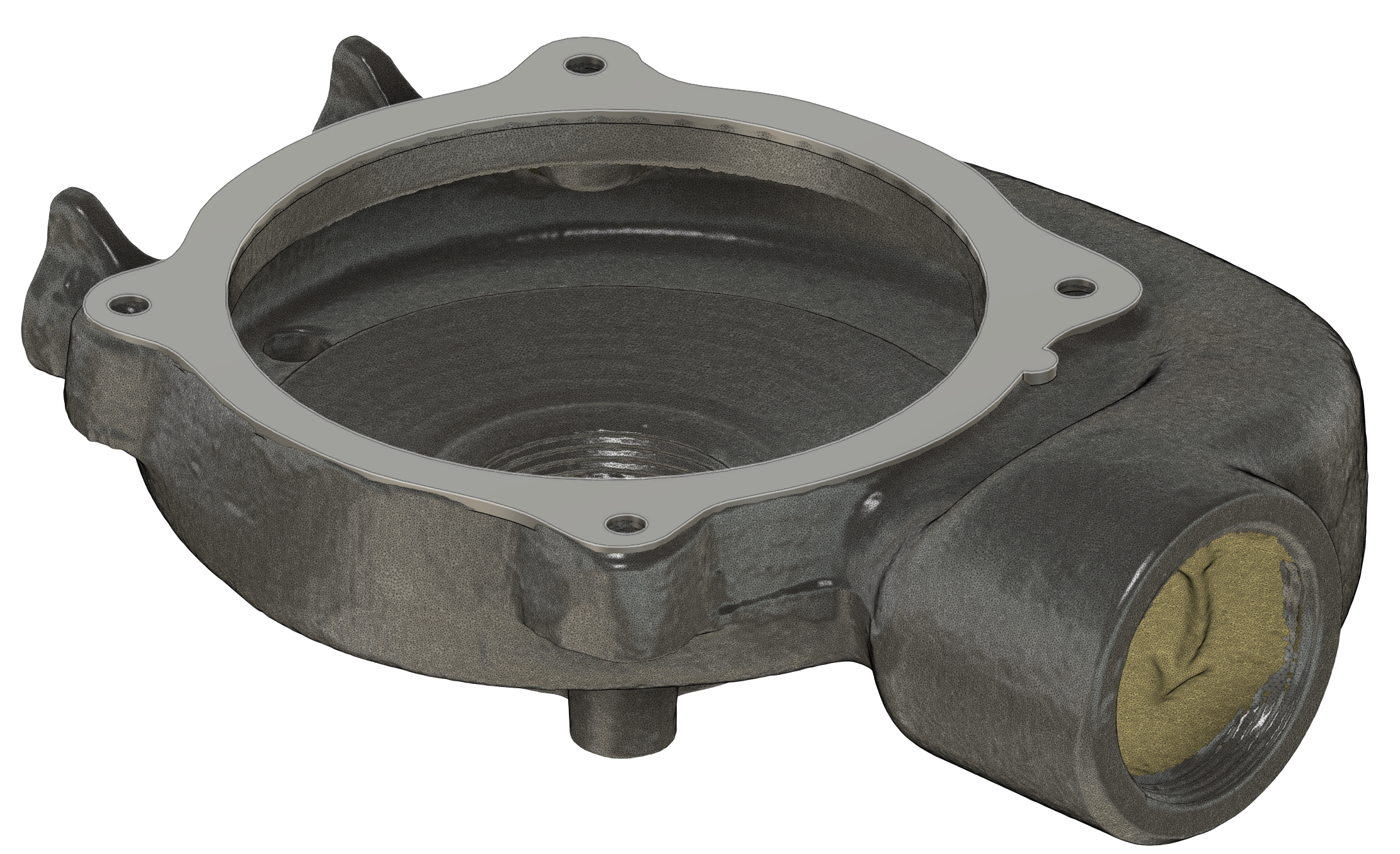
Example of scanned part, in this instance a brass pool pump with newly designed and modeled gasket for it.

Accuracy Validation

The 3D model undergoes rigorous dimension verification against the original part. Precision measurement tools confirm critical tolerances and features are captured correctly. This quality control step reduces measurement errors and ensures the final product will function as intended in your application.
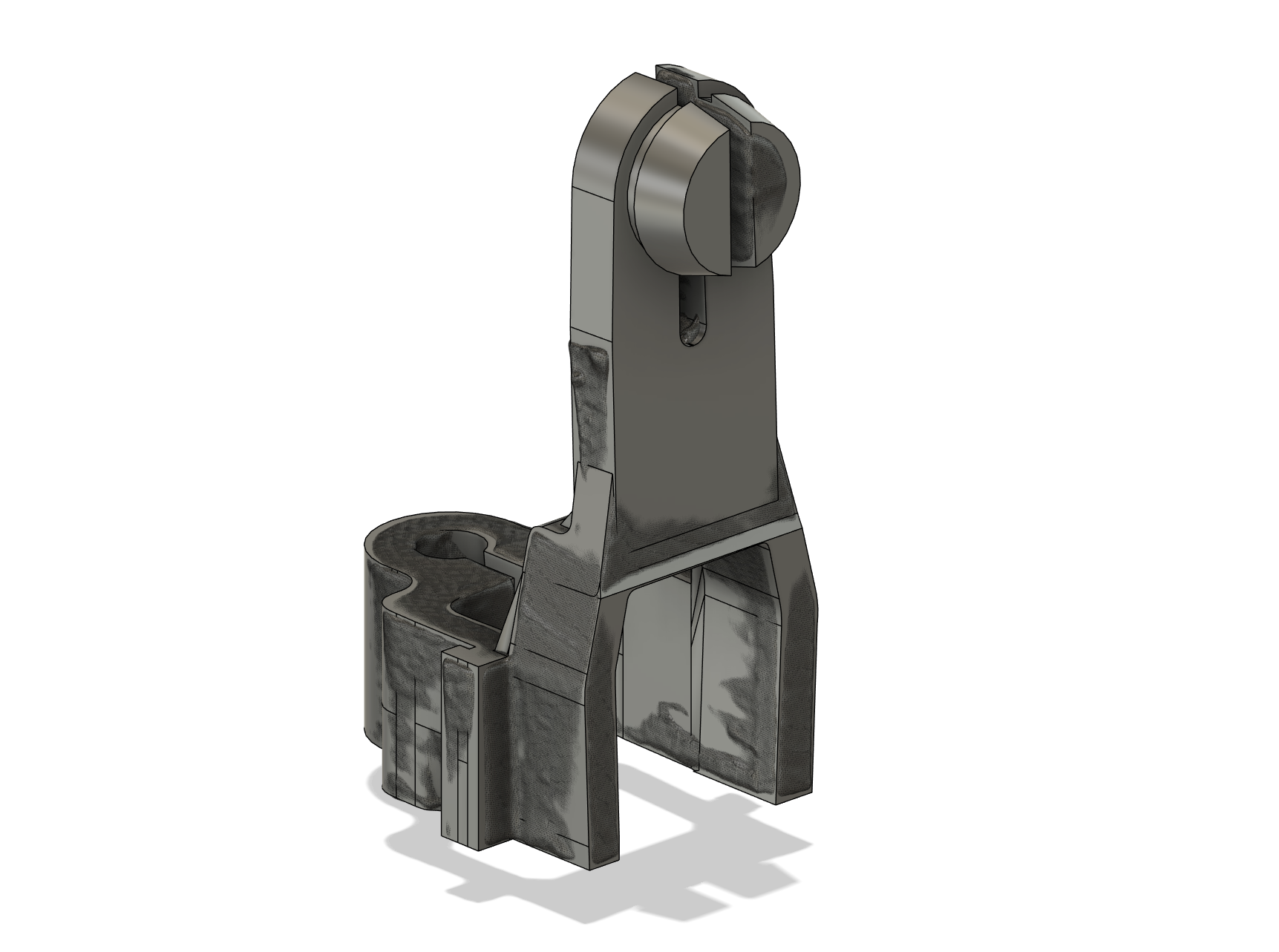
Modeled and scanned part compared, in this instance the scanned point cloud is used to verify the dimensions of the modeled part.

Design Optimization

This demonstrates going beyond replication. By analyzing the original design, weaknesses and areas for improvement are identified. Structural enhancements, material optimizations, and modern engineering principles are applied to create a part that's better than the original in strength, durability, and performance characteristics.
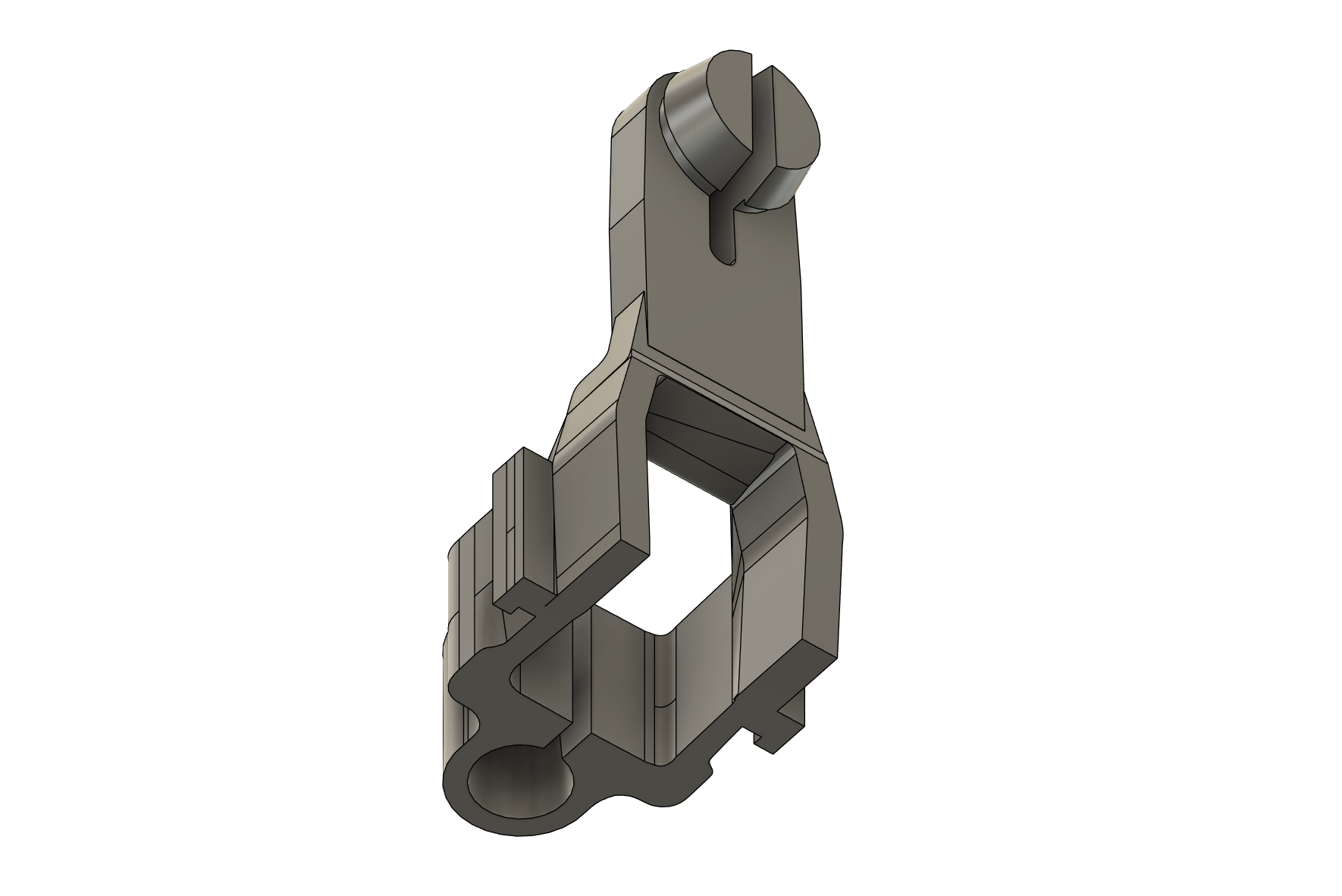
Various places within a model can have its features adjusted in different areas in order to add material to make it stronger in places the original part was weak in.

Material Selection

Material selection considers your part's application, environment, and stress factors. Multiple manufacturing methods are utilized based on requirements:

PLA
Biodegradable, lightweight, rigid, eco-friendly objects
PETG
Flexible, chemical resistant, food-safe, durable items
ABS
Impact resistant, heat tolerant, smooth surface, sturdy products
ASA
UV resistant, weatherproof, fade-proof, outdoor durable
TPU
Elastic, rubber-like, shock absorbent, flexible components
Nylon
Tough, wear resistant, low friction, engineering-grade strength
PC (Polycarbonate)
High strength, transparent, impact resistant, high-temperature tolerance
PLA-CF (Carbon Fiber)
Stiff, lightweight, abrasion resistant, structural integrity
PETG-CF
Rigid, heat resistant, warp-free, composite toughness
Woodfill
Wood-like texture, sandable finish, decorative appearance
Metalfill (e.g., Bronze)
Metallic sheen, polishable surface, weighted feel

Completion & Handover

The final component receives meticulous analysis to optimize accuracy and compatibility. Should inaccuracies result in dimensional variances or compatibility issues, resolutions are pursued through design iterations. For complex parts requiring multiple iterations to achieve perfection, charges reflect the actual time invested.
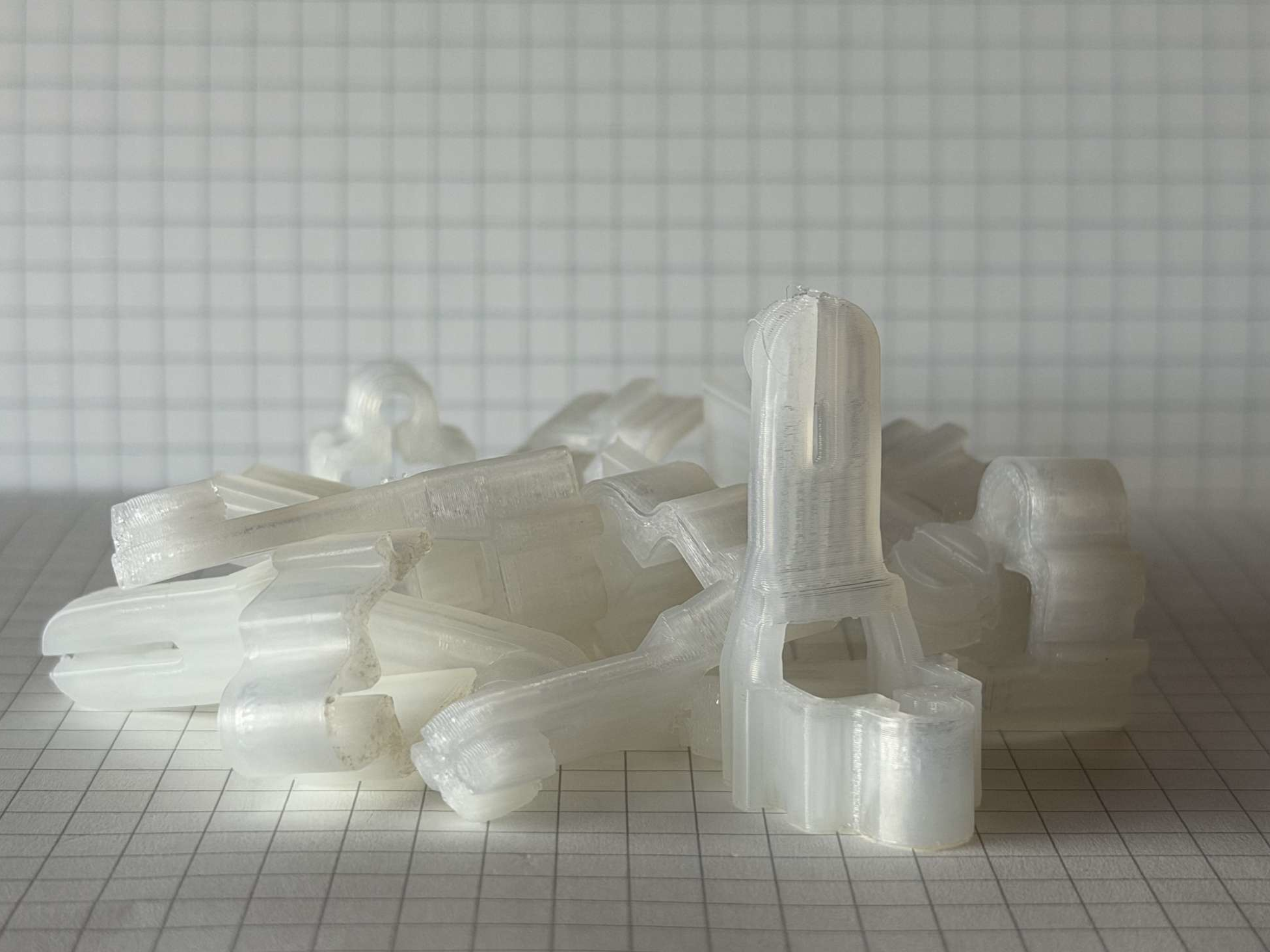
Example of a restored automotive part after 3D engineering process

From Software to Physical Solutions

I'm Aaron Avery—a professional software architect and engineer with over 25 years solving complex problems in the virtual world. My journey into CAD (Computer-Aided Design) started as a teenager, evolved through professional AutoCAD work drafting infrastructure for military installations, and led to early adoption of 3D printing in 2013.

I've been solving 3D problems for myself as well as friends and family with custom 3D printed solutions for many years. The turning point came when a local business approached me about reverse-engineering an impossible-to-find part for a classic car restoration, I was able to quickly duplicate and have parts ready to be used in the restoration project that should last as long (if not longer) than the original part.

I love the challenge of engineering—whether it's architecting software systems or precision-manufacturing a physical part that brings a vintage vehicle back to life. The same problem-solving rigor applies, just in three dimensions instead of code.

Restoration projects stall when a critical part doesn't exist anymore. An investment in a precision-engineered part gets your project back on track and stays reliable because it's purpose built, not mass-produced.

Ready to Discuss Your Project?

Email me directly at: aaron@unknownerror.com

What to Include in Your Email

  • • Photos of the part (and where it goes in the vehicle/equipment)
  • • Description of the vehicle/equipment and its use
  • • Part function and any known specifications
  • • Whether you have enough of the physical part available for scanning
  • • Your location and project timeline
  • • Budget considerations

Is This Project a Good Fit?

This service works best with projects that meet these criteria:

  • Physical Access: Having the original part (or the assembly it fits into) in hand provides the highest accuracy. This often involves working with a broken or partial part—if the part is too damaged for accurate reverse engineering to be feasible, the project becomes more uncertain and can cost more due to required iterations to dial in the right dimensions.
  • Cost Fit: Services billed at $100/hour + materials (typical projects $350-$800). This pricing works best for critical parts where traditional sourcing has failed.
  • Legal Considerations: The client assumes responsibility for any patent or copyright considerations related to parts being reverse-engineered.
  • Location: Tucson, Arizona-based. Preference is given to working directly with local clients, but nationwide projects are accepted when parts can be shipped and parameters are clear.
  • Primary Focus: Automotive restoration and specialty vehicles, though other applications where precision parts are worth the investment are also accepted.

Not sure if your project fits these criteria? Reach out anyway—I'm happy to discuss your needs and point you in the right direction if this isn't the right solution.